The Destination Premium: Auditing Overnight EV Charging on a UK Hotel Bill in 2026
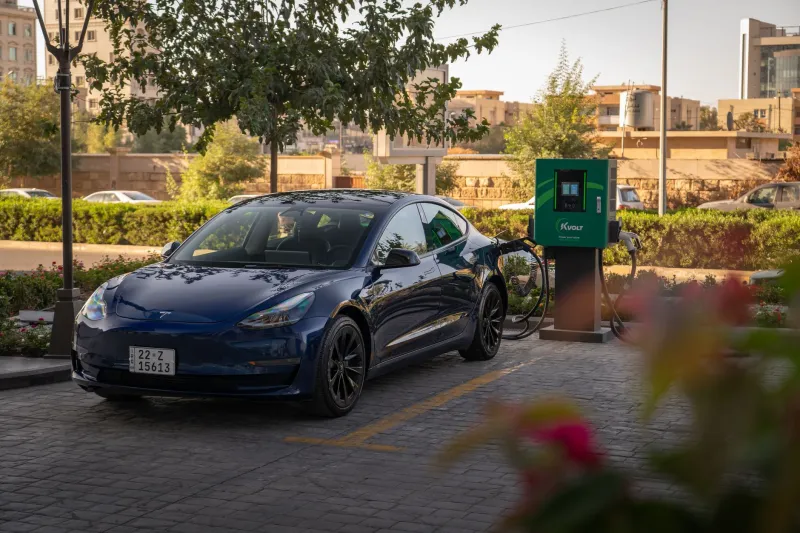
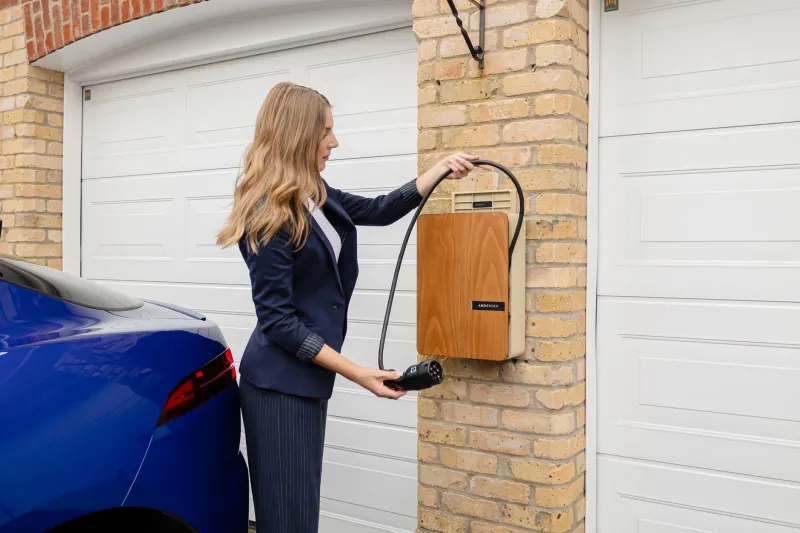
For many UK drivers, the staycation now begins with a different kind of booking question. Before comparing sea views or breakfast menus, there is a practical check: does the hotel, bed and breakfast or holiday cottage have a charge point, and what does using it actually add to the bill? Destination charging is often marketed as a convenience, but its cost can be spread across the room rate, a parking charge, an app-based tariff or a separate session fee. Auditing the whole arrangement is the only way to know whether the overnight top-up is good value or merely convenient.
Why the room rate is only part of the charging cost
A charge point described as free is rarely costless in the strict sense. The capital cost of the equipment, the electricity used and the administration of the bay have to be recovered somewhere. Some venues absorb that cost as a guest amenity; others recover it through a higher room rate, a parking surcharge or a paid charging session. The relevant figure is therefore not the headline pence per kilowatt-hour alone, but the all-in cost of delivering the electricity a driver needs during the stay.
This distinction matters most on short breaks. A driver covering 200 miles over a weekend may need 45 to 55 kWh of replenishment, depending on the vehicle and the weather. At a complimentary 7 kW AC post, that could be delivered over a night without a separate payment. At a paid post charging 45p per kWh, the same top-up costs around £20 to £25 before any connection fee. If the hotel also charges £12 a night for parking that would otherwise be avoided, the effective cost rises sharply.
The four charging offers you will meet
UK accommodation generally presents one of four arrangements. The first is a complimentary slow AC post, often in a car park or courtyard, with no separate tariff but no guarantee of availability. The second is a paid AC post, usually operated by a charging network or the venue itself, with a price per kWh, a session fee or both. The third is a bundled offer, where charging is included in a specific room package or a higher rate. The fourth is no charging at all, with the guest relying on a nearby public rapid charger.
Each arrangement carries a different risk. Complimentary posts can be occupied, blocked by a non-electric vehicle or restricted to certain guests. Paid posts can carry minimum charges that make a small top-up poor value. Bundled offers can be excellent for a driver who needs a full overnight charge but wasteful for one who needs only 10 kWh. Nearby rapid charging can be fast, but it may require a detour, a wait and a separate parking payment.
Turning pence per kWh into pence per mile
To compare offers, convert them into pence per mile for the specific vehicle. A typical UK electric car might return 3.5 to 4.5 miles per kWh in mild conditions, with lower efficiency in winter. A 40 kWh overnight charge therefore represents roughly 140 to 180 miles of driving. If the hotel charges 40p per kWh, the energy cost is £16. At 4 miles per kWh, that is about 4p per mile. If a nearby rapid charger charges 79p per kWh, the same energy costs £31.60, or about 7.9p per mile, before any parking or connection fee.
The comparison changes when the hotel stay itself changes. A free post attached to a room that costs £25 more than a comparable nearby property is not free; the premium is effectively a charging and convenience charge. A paid post at 50p per kWh may still be cheaper than a rapid charger once the detour and parking are counted, but only if the driver needs enough electricity to justify the session.
The hidden costs that change the comparison
The most common hidden cost is parking. Some venues include charging in the parking fee; others add charging on top. A driver who would not otherwise pay for parking should treat that charge as part of the charging cost. Connection fees of £1 to £2, minimum session charges of £5 or more, and idle or overstay penalties can all alter the arithmetic, particularly for plug-in hybrids or short overnight stays.
Availability is another cost, though it does not appear on a receipt. A single charge point serving a 20-room hotel may be occupied when a guest arrives. A venue may allow booking, but many do not. Drivers should also check whether the post is tethered, whether an app or radio-frequency card is required, and whether the tariff is displayed clearly at the bay. A cheap rate that requires a new app download and a pre-authorised payment is less convenient than it first appears.
How to compare a hotel post with a nearby rapid charger
A practical comparison has four steps. First, estimate the electricity needed for the stay, not the full battery capacity. Second, calculate the all-in hotel cost: tariff multiplied by kWh, plus any connection fee, parking surcharge or room-rate premium. Third, calculate the public charging alternative: rapid tariff multiplied by kWh, plus parking and any detour cost. Fourth, place a value on time and convenience, not as a vague preference but as a realistic hourly rate for the driver.
For a one-night stay, a complimentary 7 kW post is often the lowest-cost option if it is genuinely included and available. A paid hotel post at 35p to 50p per kWh can still beat a 75p to 85p rapid charger, especially when the alternative involves a 20-minute detour. But if the hotel imposes a £15 parking charge and the driver needs only 15 kWh, the effective rate may exceed a nearby rapid charger used once on the journey.
A worked staycation example
Consider a two-night cottage stay requiring 50 kWh. The cottage offers a paid 7 kW post at 40p per kWh with a £2 connection fee, giving an energy cost of £22. A nearby public rapid charger costs 79p per kWh, or £39.50, and requires a 15-minute detour each way. If the cottage also charges £8 a night for parking that would not otherwise be paid, the all-in destination cost becomes £38. The rapid charger is then broadly comparable on cash, though less convenient.
If the same cottage offered a free post but the room rate was £30 higher than a comparable property without charging, the free post would effectively cost £30 for 50 kWh, or 60p per kWh. That is still cheaper than many rapid chargers, but it is not free. The audit should record the comparison honestly rather than treating the absence of a charging transaction as the absence of a cost.
The verdict for 2026 bookings
Destination charging can be the cheapest and most sensible way to run an electric car on a UK staycation, but only when the whole bill is examined. Drivers should ask what the charge point costs per kWh, whether parking is included, whether there is a connection or overstay fee, and how many bays are available. A hotel post that looks expensive against a home tariff may still be excellent value against a public rapid charger. A free post attached to a premium room rate may be no bargain at all. The useful figure is the all-in cost of the miles delivered, not the word free on the booking page.