Beyond the Kilowatt: The True Cost of Charging Where You Stop in 2026
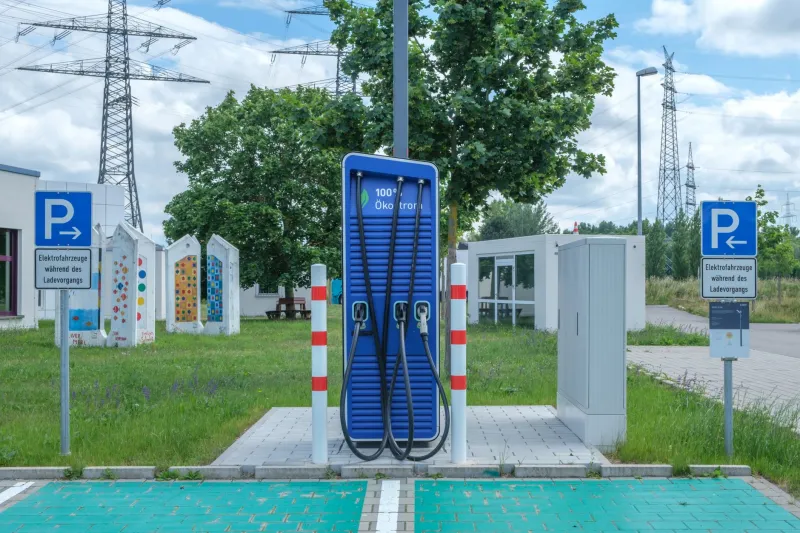
Destination charging occupies an awkward place in the UK electric-vehicle cost map. It is not usually a planned motorway stop, and it is rarely the cheapest way to buy a kilowatt-hour. It is a charge that happens because the driver was already parked: at a country pub, a hotel, a retail park or a heritage attraction. The appeal is obvious, but the bill is not always comparable with a home tariff or a rapid charger. In 2026, the sensible approach is to treat destination charging as a bundled purchase, with electricity, parking and convenience each carrying a price.
Three Prices, Not One
A destination charge point may advertise a pence-per-kilowatt-hour rate, but that figure is only the first line of the ledger. The second is parking. Some sites include parking for the duration of the charge; others charge the normal tariff regardless, or apply a separate bay fee. The third is access: connection fees, minimum spend requirements, app registration, time limits and overstay penalties. A free-to-use point in a car park with a £3 hourly tariff is not free. A paid charger at a hotel where parking is included may be better value than a cheaper charger in a town-centre car park.
This matters because destination chargers are generally slower than en-route rapid units. A typical pub or hotel post may deliver 7 kW, while some retail and attraction sites offer 11 kW or 22 kW where the vehicle can accept it. A two-hour stop therefore adds roughly 14 kWh at 7 kW, or about 49 miles in a vehicle averaging 3.5 miles per kWh. That is a useful top-up, but it is not a substitute for a deliberate charging stop on a long journey.
The Arithmetic of a Weekend Away
Take a 280-mile weekend trip in a car returning 3.5 miles per kWh. The driver leaves home with 50 kWh bought at 24p per kWh, costing £12. At the destination, a 7 kW charger supplies 20 kWh at 49p per kWh, costing £9.80. Parking for the three-hour stay is £6. A return-leg rapid top-up of 10 kWh at 75p per kWh costs £7.50. The total outlay is £35.30 for 280 miles, or approximately 12.6p per mile.
That figure is reasonable for a mixed journey, but it depends heavily on the destination element. If the same 20 kWh were free and the £6 parking charge remained, the destination top-up would cost 8.6p per mile for the miles it supports. If the charger instead charged 55p per kWh and parking rose to £3 per hour for three hours, the destination element would cost £20.55 for 70 miles, or about 28p per mile. At that point, the convenience premium is clear.
| Scenario | Cost for 21 kWh | Miles at 3.5 mi/kWh | Pence per mile |
|---|---|---|---|
| Home charging at 24p/kWh | £5.04 | 73.5 | 6.9p |
| Free destination charger plus £2/hour parking for 3 hours | £6.00 | 73.5 | 8.2p |
| Paid destination charger at 45p/kWh, no parking fee | £9.45 | 73.5 | 12.9p |
| Paid destination charger at 55p/kWh plus £3/hour parking | £20.55 | 73.5 | 28.0p |
| Motorway rapid at 75p/kWh | £15.75 | 73.5 | 21.4p |
| Hotel flat fee of £15 for 30 kWh | £15.00 | 105 | 14.3p |
The table shows why headline electricity rates can mislead. A 45p destination charger without parking is competitive with a rapid charger once the value of the stop is considered. A 55p charger with a steep parking tariff can be the most expensive option per mile, even though the electricity itself is not unusually priced.
When Destination Charging Earns Its Keep
Destination charging is strongest when the parking charge would have been paid anyway. A hotel that includes parking and offers an overnight charge at 40p per kWh is offering a genuinely useful bundle; the driver needs the space and the electricity is a secondary purchase. The same applies to attractions where a family would spend three or four hours regardless. A free-to-use point in a car park with a modest tariff can be excellent value, provided the driver respects time limits and does not incur an overstay fee.
It is weaker when the charger is the reason for the stop. A low-power post in a retail park, reached through two apps and subject to a minimum spend, may cost more per mile than a nearby rapid charger. Slow charging also has an opportunity cost: a driver waiting for 7 kW to deliver a meaningful top-up may spend more on coffee and parking than the electricity saves. For en-route charging, rapid hubs remain the rational choice. Destination charging is best understood as a top-up while the car is otherwise idle.
Reading the Signs Before You Plug In
UK drivers should check four things before connecting. First, the tariff in the charge-point operator's app, including any connection fee. Second, the parking terms: whether the bay is free, whether a ticket is required and whether the parking charge is waived for EV users. Third, the time limit and idle fee. Fourth, whether the site requires a minimum spend or a particular app. These details are often displayed on signage, but they are easier to verify in advance through charge-point mapping services and the operator's own terms.
A useful habit is to calculate the all-in pence per mile rather than the pence per kilowatt-hour. Divide the total cost, including parking, by the miles added. That figure can then be compared with the driver's home tariff and with a rapid charger on the route. For a plug-in hybrid or a vehicle with lower efficiency, the same cash outlay buys fewer miles, so the destination premium is larger.
Planning a 2026 Weekend
For 2026 trip planning, destination charging should be a tie-breaker rather than an anchor. Choose accommodation or attractions partly on the basis of charging, but do not assume that a listed charger is cheap or available. Charge at home before departure where possible, arrive with a buffer, and keep a rapid charger in reserve for the return leg. If a hotel charges a flat fee, ask what it covers and whether parking is included. If a pub offers a free point, check the time limit before settling in for lunch.
The plug-and-pint premium is real, but it is not uniform. At its best, destination charging is a modest convenience that costs little more than home charging once parking is accounted for. At its worst, it is a slow, app-dependent top-up carrying a parking tariff that quietly doubles the bill. The difference lies in reading the whole price, not just the rate on the post.