Paying to Park, Not to Charge: UK EV Idle Fees and Overstay Penalties Ranked for 2026
Photo: McGraw Pub. Co., Public domain, via Wikimedia Commons
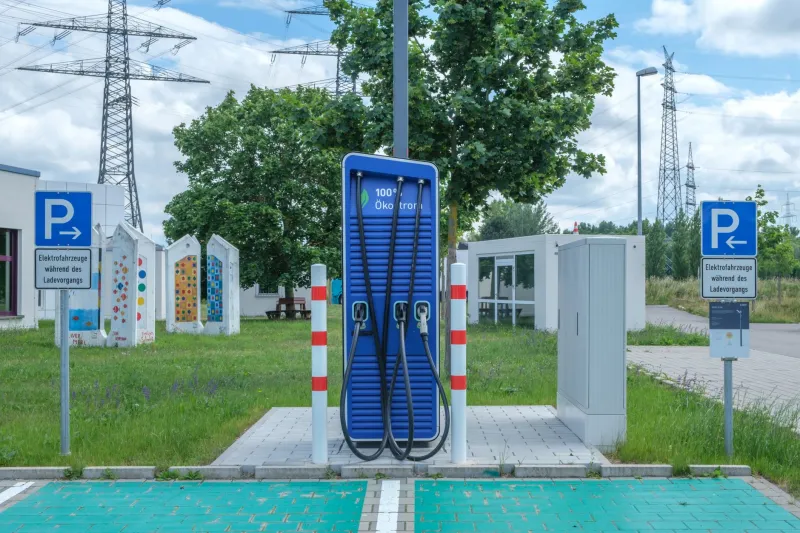
A rapid charger is a strange kind of vending machine. You pay for the electricity, but you are also occupying a piece of prime real estate, and increasingly the networks charge for that occupancy separately. Idle fees and overstay penalties began as a courtesy mechanism, a nudge to move a fully charged car, and have hardened into a distinct line item on the UK's public charging bill.
Why the clock started running
The rationale is sound. A rapid bay delivers 150kW or more, and a car left plugged in at 100 per cent blocks it for everyone else. Networks argue, with some justification, that a per-minute penalty after a grace period improves turnover and eases the queues that still form at motorway services on bank holiday weekends.
The driver's experience is less principled. Ten minutes over a coffee can cost more than the electricity itself. What follows ranks the main UK networks by how punitive their structures are, and at the other end, by how little they charge at all.
The structure matters more than the number
Two designs dominate. The first is a per-minute idle fee, usually applied only once a session has finished or once the battery passes a set threshold, and often scaled to how busy the site is. The second is a flat overstay charge applied after a fixed window, typically 60 to 90 minutes, regardless of whether the car is still drawing power.
Per-minute fees punish the careless. Flat charges punish the merely slow. A driver planning a long lunch should know which one they are walking into. Tariffs are revised without notice, so treat the descriptions below as a guide and confirm the terms in the operator's app before plugging in.
The league table
Most punitive: Tesla Supercharger
Tesla's network remains the benchmark for aggressive occupancy pricing. Idle fees apply once a car has finished charging, at roughly 50p per minute when a site is half occupied and doubling to around £1 per minute when every stall is taken. A short grace period applies if the car is moved promptly. The scaling is the point: the fee rises precisely when everyone else needs the bay.
Mid-tier: time-based overstay penalties
Several operators have adopted a defined window after which a penalty applies. bp pulse has extended overstay charging across parts of its rapid estate, with a fee triggered once a session passes a set duration rather than tapering per minute. Shell Recharge applies similar logic at selected sites, and GeniePoint's overstay terms vary by location because many of its chargers are owned by councils and configured to local rules. The common thread is that the penalty arrives as a single charge, and it is easy to miss until the receipt lands.
Lenient: fixed grace, no scaling
InstaVolt has built its reputation on contactless simplicity and has long declined to levy idle fees, which makes its rapid sites a forgiving choice for a longer stop. Ionity takes a similar line at its motorway hubs, and Osprey does not generally publish an idle fee at its own sites. Gridserve's Electric Forecourts monitor bay usage but have tended to manage occupancy through site layout and staffing rather than penalty pricing.
No fee at all, but read the sign
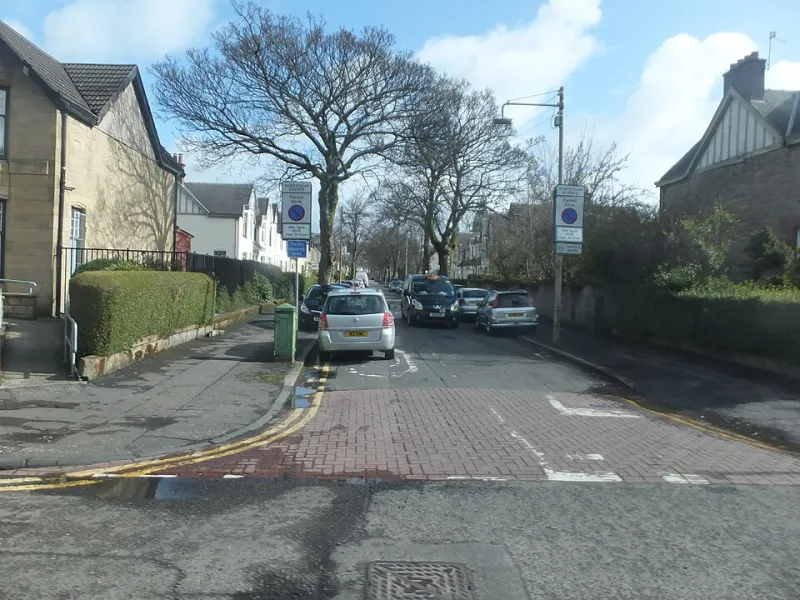
Pod Point, ubitricity and the growing estate of lamppost and council-owned chargers typically levy no idle fee on the electricity side, but a great many of them sit in car parks governed by parking operators. Overstaying there produces a parking charge notice of £60 to £100, which dwarfs any network penalty. The cheapest charging session in the country can still be the most expensive afternoon.
A worked example
Picture a 150kW rapid on a retail park. The car reaches 80 per cent in 28 minutes for about £12 of electricity. The driver goes for lunch and returns 70 minutes later. On a site with a £1-per-minute fee from the moment charging stopped, the session has grown by £70. On a site with a flat £10 overstay charge after 90 minutes, the same stop costs nothing extra. On a site with no fee but a two-hour parking limit, the risk sits with a different enforcement regime entirely.
Same car, same electricity, same lunch. The bill varies by a factor of six.
Tactics that work
- Set a session alert in the network app at the start, not at 80 per cent. Most apps will push a notification when charging tapers; a second phone alarm set for the expected finish time is more reliable.
- Move the car at the taper. Almost every per-minute scheme charges only after charging stops, so the final minutes of a rapid session carry no idle risk, which makes them a good moment to relocate.
- Match the charger to the stop. A long supermarket shop belongs on a 7kW or 22kW post, not a 150kW rapid. The kWh will be cheaper and the occupancy rules gentler.
- Check the terms on the unit, not just in the app. Site-specific overstay rules are frequently displayed on the charger itself and nowhere else.
- Keep the receipt. Where a penalty is applied in error, for a stall that failed or a session that ended early, networks will often reverse it on request.
The bottom line
Idle fees are not going away; the pressure on rapid infrastructure is too great. The sensible approach is to treat every public session as a timed booking rather than an open-ended park. The electricity is the cheap part. The minutes after it are what the networks are now charging for.