Two Cars, One Cable: The Marginal Economics of a Second Home EV Charger in 2026

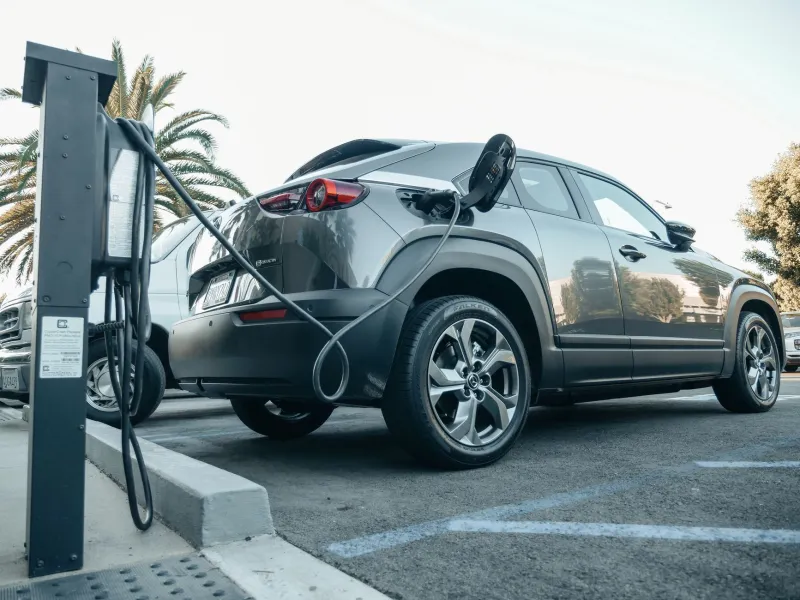
Photo: M22RDY, CC BY-SA 2.0, via Wikimedia Commons
A second electric car changes the household electricity bill in a way that is easy to misread. The fixed costs of a driveway charger, a smart meter and a suitable tariff are already sunk. What the second car adds is a marginal block of kilowatt-hours, consumed at whatever times the household can fit them into the day. The arithmetic is therefore less about the average cost of home charging and more about the cost of the next 1,500 to 3,000 kWh, and whether a single 7kW socket can deliver them inside the cheap window.
This guide uses illustrative tariff rates to show the structure of the calculation. Actual rates vary by region, supplier and contract, and a household should always compare against its own unit rates and standing charges.
The marginal kilowatt is the only honest starting point
For a household that already runs one EV, the relevant cost of a second EV is not the total annual charging bill divided by two. It is the additional energy drawn through the same meter. A compact second car covering 6,000 miles a year at 3.8 miles per kWh needs roughly 1,579 kWh. At a standard-rate 25p per kWh, that is about £395 a year. At an off-peak rate of 9p per kWh, it is about £142. The difference between those two figures is not the car; it is the timing of the charge.
The first car’s consumption is already embedded in the household’s routine. The second car must either share the same cheap hours or spill into peak rates and public networks. That spill is the real marginal cost, and it is the number a two-EV household should estimate before deciding whether a second charge point is justified.
What two cars actually draw from one 7kW socket
A 7kW home charger adds about 7 kWh for every hour it runs at full output. A five-hour off-peak window therefore delivers around 35 kWh. For many two-EV households, that is ample. Two cars covering a combined 13,500 miles a year at 3.6 miles per kWh need about 10.3 kWh a day on average. Even with weekend catch-up charging, most nights can be absorbed by one socket.
The bottleneck appears on the nights when both cars return with substantial depletion. If each needs 20 kWh, the combined 40 kWh requires nearly six hours at 7kW. A five-hour window leaves 5 kWh to be bought at peak rate or from a public charger. If one car needs 30 kWh and the other 25 kWh, the single socket cannot complete the task without either extending beyond the cheap window or deferring one car to the following night.
That is the point at which scheduling becomes an unpaid household task. One charger can still work, but it requires discipline: alternating nights, prioritising the car with the longer next-day journey, and accepting that the second car may occasionally need a public top-up.
The arithmetic: annual home charging bill for a second EV
The table below isolates the second car. It assumes 6,000 annual miles and 3.8 miles per kWh, giving 1,579 kWh. The blended rate assumes 70% off-peak at 9p and 30% peak at 29p, which gives roughly 15p per kWh.
| Tariff pattern | Rate used | Annual cost for second EV |
|---|---|---|
| All standard rate | 25p per kWh | £395 |
| All off-peak | 9p per kWh | £142 |
| Blended 70/30 off-peak and peak | 15p per kWh | £237 |
| All peak-rate charging | 29p per kWh | £458 |
For a higher-mileage second car of 10,000 miles at 3.6 miles per kWh, the energy requirement rises to 2,778 kWh. The same rates produce £695 at 25p, £250 at 9p, £417 at 15p and £806 at 29p. The spread between the best and worst timing is wider than the annual cost of many home charger installations spread over a decade.
The full two-EV household bill is the sum of both cars. A household covering 7,500 miles in car one and 6,000 miles in car two, at 3.6 and 3.8 miles per kWh respectively, needs about 3,722 kWh. At a blended 15p per kWh, that is roughly £558 a year. At a flat 25p standard rate, it is about £931. The second car is a material addition, but it is not double the first car’s cost unless mileage and efficiency are identical.
When the single socket becomes a bottleneck
The practical threshold is not the annual mileage alone. It is the size of the largest same-night recharge. A single 7kW charger with a four-hour off-peak window can deliver 28 kWh; with a five-hour window, 35 kWh. A household that regularly needs more than that across two cars will either pay peak rates, use public charging, or leave one car short.
Consider two cars that each need 15 kWh on a Sunday night. That is 30 kWh, which fits comfortably inside a five-hour window. Now consider two cars that each need 25 kWh after a weekend of long journeys. That is 50 kWh, which requires more than seven hours at 7kW. The second charger would not necessarily solve the problem unless the house has the supply capacity to run both chargers at once. It would, however, remove the need to unplug and replug, and it would allow load management to allocate energy more flexibly.
A second charge point is most defensible when the household regularly exceeds 35 to 40 kWh of combined overnight requirement, or when one car must be fully charged by morning while the other also needs a substantial top-up. For lower-mileage households, the single socket plus a longer off-peak window is usually the cheaper answer.
The break-even for a second charge point
A second 7kW charge point typically costs £1,000 to £1,500 installed in 2026, depending on cable run, isolation, earth arrangements and whether the existing consumer unit has spare capacity. If the installation also requires a supply upgrade, the figure can rise substantially. The saving comes from avoiding public charging or peak-rate home charging.
The largest saving is avoided public rapid charging. At a public rate of 79p per kWh and an off-peak home rate of 9p, each kilowatt-hour diverted from public to home saves about 70p. A second charger that avoids 500 kWh of public charging a year saves about £350 annually, giving a simple payback of roughly three and a half years on a £1,200 installation. At 300 kWh avoided, the saving is about £210 and the payback stretches to nearly six years. At 150 kWh, the payback exceeds eleven years.
That translates into roughly 10 to 12 public rapid sessions of 40 kWh a year before a second charger starts to look financially rational on energy alone. Below that, the purchase is mainly about convenience, household logistics and the value of not sharing a cable. Above that, the arithmetic becomes more compelling, especially if the alternative is peak-rate home charging at 29p, where the saving is 20p per kWh rather than 70p, or if the household places a high value on time.
Load balancing and the limits of a second socket
A second charger does not automatically double charging speed. Many UK homes have a single-phase supply with limited headroom. Two 7kW chargers running together can draw around 60A, which may exceed the home’s capacity once other appliances are considered. Load balancing can reduce the output of each charger to keep the total within safe limits. That is useful, but it means two chargers sharing a constrained supply may deliver little more total energy overnight than one charger running alone.
The second socket is therefore most valuable when the supply can support additional simultaneous load, or when the chargers can stagger charging automatically across a longer cheap window. If the household’s off-peak window is short and the supply is constrained, the second charger may mainly remove the physical task of swapping cables rather than reduce the energy cost.
Practical verdict
For most two-EV households with combined annual mileage below 15,000, a single 7kW charger remains the lowest-cost arrangement in 2026. The second car adds roughly £140 to £400 a year in home charging costs depending on tariff timing, and a disciplined schedule can keep most of that energy inside off-peak hours. The case for a second charge point strengthens when combined overnight demand regularly exceeds 35 to 40 kWh, when public top-ups exceed 10 to 12 sessions a year, or when the household can support genuine load sharing without a supply upgrade. A second charger is a convenience purchase with an energy calculation underneath; the calculation should be done before the cable is ordered.